

Dear Parents and Carers
We are currently working through our Health and Safety programme and there are a number of drills we need to do with the students. This week we had a fire drill. The students were excellent and we evacuated the building fully in 4 minutes. We do also have to practice a lockdown drill. This is more complicated and involves a lot of planning to ensure everyone is carefully briefed so people so not worry. I wish to inform you of this, so you can work with us and your child, in ensuring everybody understands why we have to do these.
The safety and wellbeing of our students and staff will always be our highest priority.
As part of our ongoing safeguarding and emergency planning arrangements, we will be conducting a lockdown drill in school on Tuesday 20th October 2026.
A lockdown procedure is a precautionary measure used to keep everyone safe should there ever be a situation outside or inside school that requires us to secure the site and restrict movement for a short period of time. While it is highly unlikely that such a procedure would ever need to be used in a real emergency, schools are expected to practice these arrangements in the same way that we practice fire drills. We have to do these drills annually as part of our Health and Safety programme.
Before the drill takes place, students will receive a briefing from staff so that they understand what will happen and what is expected of them. The emphasis will be on remaining calm, following staff instructions and understanding that this is simply a safety exercise.
We appreciate that the term “lockdown” can sound concerning. Please be reassured that there is no specific threat or cause for concern. This drill forms part of our routine safeguarding responsibilities and helps us ensure that everyone knows what to do in the unlikely event of an emergency.
During the exercise, students will remain under the supervision of staff at all times. Once the drill has concluded, normal school activities will resume.
We know that preparation and practice are key to keeping our school community safe, and we are grateful for your support and understanding as we carry out this important exercise.
Please click here for a student friendly PowerPoint which we will be going through with them next Friday. If you would like to reference this in your conversations this would be really helpful. We also recognise that some of our students with additional needs will need more support and the SEND team will work separately with those young people and their families.
As a parent myself I understand that anything relating to school safety can feel worrying. Please be reassured that this is a planned practice exercise, carried out so that both students and staff feel confident and prepared. Our aim is not to alarm children, but to help them understand simple safety routines in a calm and age-appropriate way.
Should you wish to discuss the drill further, please do not hesitate to contact me personally and I will be able to assist you bscott-herron@boteler.org.uk
Thank you for your continued support.
Beverley Scott-Herron
Headteacher

iPay
iPay Tips for Parents and Carers
- Check your child’s balance regularly. We also encourage children to check their balance when they arrive at school in the morning, or before they join the queue for lunch.
- Top up in advance. Don’t leave it until 1pm to top up the account. It’s a system at the end of the day, sometimes it happens where the parent has topped up but it has not shown on the account. Topping up the account before 9am gives plenty of time for the system to ensure its up to date.
- Free School Meals (FSM) allowance: The daily allowance is £2.85 and can be used for purchases throughout the day. Please be aware that if your child uses some of their allowance to buy a drink or snack at break time, they may not have enough remaining for a £2.85 meal deal at lunchtime. In this instance, they will be told to go and get a green card.
- If there is not enough money on the account, your child will be asked by the kitchen to collect a green card from Mrs Koltan.
- Green cards are worth £2.85, the same value as an FSM voucher. A green card is a debt to the school, not the canteen. Once a green card has been issued, parents will receive an email with details. The debt can then be paid through iPay → School Shop → Green Card.
- Suggested daily spending limit: We recommend a maximum spend of £5 per day. This is a suggested limit only. If you do not want your child to spend above a particular amount, please discuss this with them in advance or consider only adding the amount you are happy for them to spend each day.
- iPay accounts can no longer go into negative figures. If there is insufficient money available, your child can be issued with a green card instead.
- Check your child’s history. Check through the transactions to make sure you are aware of what is going through, any issues, always contact the school.
- Check prices. The school website has the prices for lunch menus on there.
Sleep, Screens and Starting the Day Well
As we move further into the school year, it is worth taking a moment to think about something that has a significant impact on our young people’s ability to learn, concentrate and make the most of each school day: sleep.
For secondary-aged students, sleep is not a luxury or something that can simply be sacrificed when life gets busy. Teenagers generally need around 8–10 hours of sleep each night and getting enough good-quality sleep supports attention, learning, memory, behaviour, emotional regulation and overall wellbeing.
We know that achieving this can be challenging. Teenage body clocks naturally shift during adolescence, meaning that many young people do not feel sleepy as early as they did when they were younger. This can make an early school morning particularly difficult.
The bedtime–morning connection
One of the most common challenges we see in secondary schools is the relationship between late nights, difficult mornings and poor punctuality.
A student who goes to bed late may struggle to get up in the morning. This can lead to rushing, missing breakfast, searching for uniform or equipment and eventually, arriving at school late. By the time they reach their first lesson, they may already feel tired, stressed and behind.
That matters because every minute in school is an opportunity to learn.
The Department for Education’s recent research continues to highlight the relationship between attendance and educational outcomes, while also emphasising that being in school regularly supports learning, wellbeing, routine and a young person’s wider development.
Good punctuality is therefore about much more than getting through the school gates on time. It is about ensuring that students are ready to learn from the very beginning of the day.
The role of phones and devices
For many families, one of the biggest challenges to achieving a good night’s sleep is the mobile phone.
It is very easy for a teenager to intend to spend “just another ten minutes” on their phone, only to find that an hour has passed. Messages, social media, videos, gaming and notifications can all make it harder for the brain to switch off.
NHS guidance for young people recommends avoiding screens for around an hour before bedtime and, where possible, keeping devices out of the bedroom. Bright light and stimulating content can make it harder to settle to sleep.
This is why we would encourage families to consider a simple rule:
The phone goes to bed before the child does
Charging phones downstairs or outside the bedroom can make a remarkable difference. It removes the temptation to check messages, reduces overnight notifications and makes it much easier to establish a clear boundary between “being awake” and “going to sleep”.
This is not about banning technology. Devices are an important part of young people’s lives. It is about helping students to develop healthy habits around when technology is useful and when it is time to switch off.
Five simple things families can try
- Work backwards from the morning.
Think about what time your child needs to wake up and work backwards to establish a realistic bedtime that allows 8–10 hours of sleep. - Create a screen-free hour.
Aim to put phones, tablets, games consoles and other screens away around an hour before bed. Replace them with reading, listening to music, having a shower, talking or another calm activity. - Charge phones outside the bedroom.
This is one of the simplest ways of removing the temptation to stay online late into the night. It also prevents notifications from disturbing sleep. - Keep bedtime and wake-up times reasonably consistent.
Teenagers often enjoy a long lie-in at the weekend, but very large differences between weekday and weekend routines can make returning to school mornings harder. A reasonably consistent sleep and wake pattern helps the body establish a routine. - Prepare for the morning the night before.
Pack the school bag, organise uniform, check the timetable and prepare anything needed for the next day. A calmer evening often creates a calmer morning.
Small changes can make a big difference
We recognise that changing sleep habits is not always easy. Some young people will naturally find it harder to settle at night, and busy family lives, homework, activities and social commitments can all make routines challenging.
However, small changes really can add up. Moving bedtime just 15 minutes earlier, reducing late-night screen use or preparing everything the night before can make mornings noticeably easier.
Ultimately, we want every student to arrive at school on time, prepared, rested and ready to learn.
Sleep is not time lost. It is time invested in the next day.
So, this week, perhaps have a conversation at home about one simple question:
“What could we change tonight that would make tomorrow morning easier?”
A good night’s sleep, a calm morning and a punctual start can make a very positive difference to a young person’s day — and to their opportunity to make the most of every moment of their education.


Student Leadership Team
Introducing our 3 Head prefects and members of our Student Leadership Team. These 3 prefects support the running of lunchtime activities as well as promoting the Boteler Enrichment programme.

TCAT Parliament
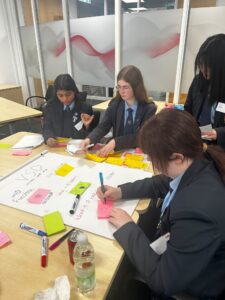
We held our first TCAT Parliament meeting this week. Morgan, Warrington South Member of Youth Parliament and his Deputies spoke about what they have achieved so far in their role, and we will be working more with Warrington’s Youth Council over the year. The student’s developed their problem solving and teamwork essential skills by completing a building task. They also decided on their goals for the year:
- Trust-Wide Charity Campaigns
- Environmental/Eco Challenges
- Joint Student Newsletters

Year 11 Work Experience Day
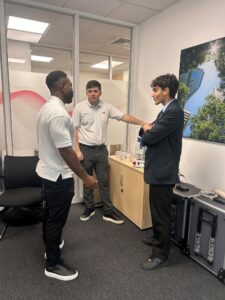
Students in Year 11 were invited to be part of a work experience day at ABB in Warrington (A GLOBAL TECHNOLOGY LEADER IN ELECTRIFICATION AND AUTOMATION)
The aims of the day were:
- Inspire senior leaders from across the UK to drive a positive impact across their business sites through greater engagement with their local schools/colleges/ young people- with work experience demonstrated as an effective way to do this
- Provide students with a quality work experience- increasing their awareness of the roles and routes in to ABB and developing skills valued by employers
- Strengthen ABB’s capacity to deliver quality work experience with young people
Students learnt about engineering techniques, careers available at ABB as well as presenting on what they had learnt and being mentored by employers and leaders from around the UK. Students really enjoyed their experience and Mrs Mawby was extremely proud of them throughout the whole day.


Year 11
Students should now be attending college Open Evenings and completing their application forms.
Halloween Disco
On October 20th we will be holding a Year 7 Halloween Disco in the school hall from 15:00 – 16:30. All Year 7 students are invited and can dress up at the end of the day. Information has been sent out to Year 7 parents and carers via the Arbor app.

School Trips & Educational Visits
The following link covers the trips we are hoping to offer. These are subject to change depending on interest. Students will be informed by leading department or staff leader.
Boteler Enrichment Programme
Please find our Boteler Enrichment programme here: Enrichment Programme – Sir Thomas Boteler Church of England High School
If you are a council member, your meetings are at the following times:
- School Council: Thursday week 2 rm 6 Miss Porteous
- ECO Council: Thursday week 1 rm 30 – Miss Kenny
- Ethos Council: Thursday week 1 and 2 rm 27 Mrs Hoey
- International Council: Monday week 1 rm 4a Mr Leung
- LGBTQ+ Council: Week 1 Friday rm 26 Miss Roberts
- Wellbeing Council: Tuesday week 1 and 2 rm 4a Miss Giebka
- House Meetings – Check the BE Proqramme and with your HOH after the first House assembly
These are all at lunchtime. Ask the staff member if you need a lunch-pass.
Make sure you attend all meetings so you can represent the students of our school.

🌟 Celebrating Our Year 11 Parents’ Evening Success
We were delighted to welcome so many parents and carers to our Year 11 Parents’ Evening this week.
The event achieved our highest attendance at a Parents’ Evening, which is a fantastic achievement and a real reflection of the commitment of our Boteler families.
Positive parental engagement is incredibly important. When school, home and students work together, we can provide the support, encouragement and consistency needed to help our young people achieve their potential.
A huge thank you to all the parents and carers who attended and to our staff for making the evening such a success.
📅 Upcoming Parent Engagement Events
Year 7 Tutor Evening
📅 Monday 12th October
⏰ 15:30 – 19:00
This is a great opportunity for Year 7 parents and carers to meet with tutors, discuss how students have settled into secondary school and work together to support their progress.
KS3 Sparx Reader Parent Forum
📅 Thursday 15th October
⏰ 17:00 and 17:45
We look forward to welcoming parents and carers to find out more about Sparx Reader and how you can support your child’s reading at home.
🏆 Boteler Rewards – Homework
Our Boteler Rewards focus this fortnight is HOMEWORK.
We are looking to recognise students who consistently:
📚 Complete homework on time
✏️ Put effort into their work
🎯 Take pride in what they produce
💪 Show a positive attitude towards independent learning
Homework provides an important opportunity to consolidate learning, practise key knowledge and develop independent study habits.
Let’s see which students can demonstrate outstanding commitment to their homework this fortnight!
🍩 Attendance Form Champions
A huge congratulations to our form groups with the highest attendance!
The winning forms will be receiving their donuts this week as a reward for their fantastic attendance. 🎉🍩
| Year | 🏆 Highest Attendance | Attendance |
| Year 7 | 7 Viribus (RLA) | 97.6% |
| Year 8 | 8 Veritas (AAR) | 94.4% |
| Year 9 | 9 Virtus (ASA) | 93.6% |
| Year 10 | 10 Molitiam (HPO) | 96.2% |
| Year 11 | 11 Honoris (CHU) | 93.9% |
Well done to all five winning forms! 👏
📚 Attendance – Every Day Counts
We want to remind all students and families of the importance of excellent attendance.
Every day a student is in school is another opportunity to learn, make progress, build relationships and develop the knowledge and skills they need for their future.
Even small amounts of absence can quickly add up to significant learning lost.
We also ask families to avoid booking routine medical, dental and other appointments during the school day wherever possible. We understand that some appointments cannot be avoided, but where there is a choice, arranging appointments outside school hours helps students to maximise their learning time.
Every day counts. Every lesson matters.
Let’s continue working together to keep attendance high and ensure every student gets the very best from their time at Boteler.
💙 Be Here. Be Ready. Succeed.





World Mental Health Day 2026
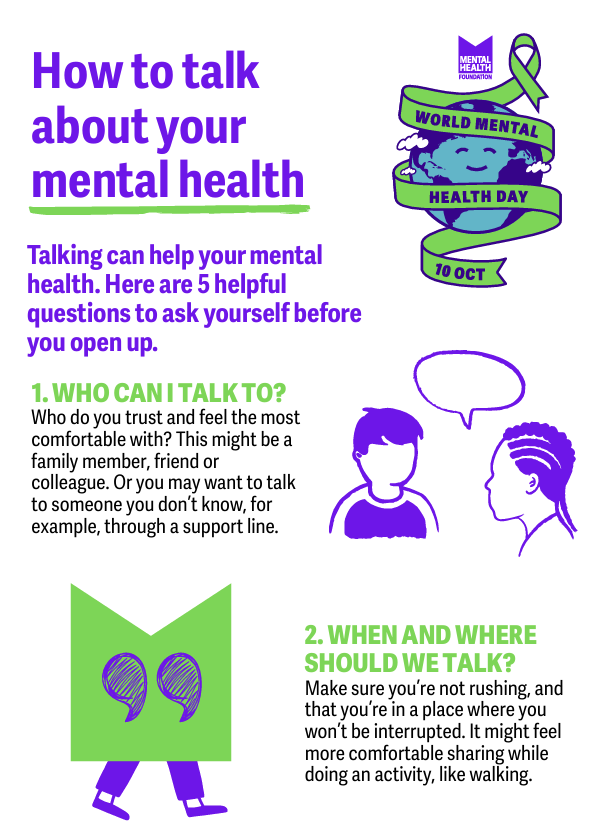
On 10 October 2026, we recognised World Mental Health Day, a day dedicated to raising awareness of mental health and reminding us that looking after our wellbeing is just as important as looking after our physical health. This year’s theme is “Lived experiences heard: real voices, real change,” highlighting the importance of listening to people’s experiences of mental health and ensuring their voices help shape the support they receive.
At school, we are committed to creating a supportive environment where every young person feels heard, valued and able to talk about how they are feeling. We will continue to encourage positive conversations around mental health, promote help seeking and ensure our pupils know where they can access support when they need it. We also encourage families to talk openly about mental health at home and to remind young people that it is okay not to be okay and asking for help is a sign of strength.
On Monday, form time will focus on mental health and wellbeing, giving pupils information about how they can access support and what is available to them at each level of mental health need. This will help ensure all pupils know who they can talk to, where they can go for support and that help is available whenever they need it.

For the latest Wellbeing Newsletter, click here

Marine Biology Club trip to the School of Ocean Science
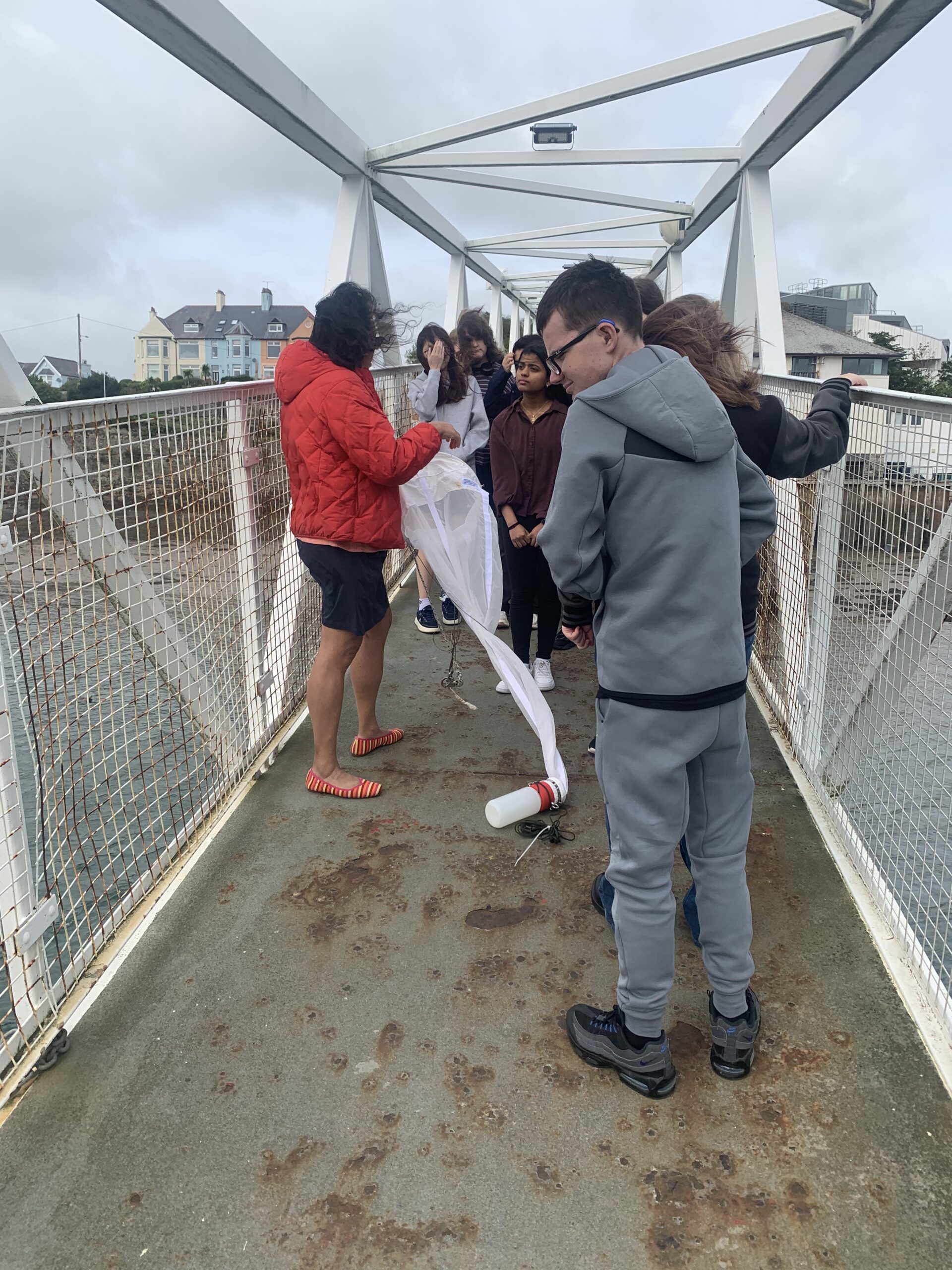
Last week the marine biology club embarked on our annual migration for a day of science at The School of Ocean Science, The University of North Wales, Bangor.
20 students who last year took the Year 10 marine biology course were invited and travelled down the Anglesey to experience university life at the world renounced centre. First of all a tour of some of the world leading facilities that allow the research to be carried out and developed.
A windy day saw the students trying to lower a zooplankton net from the walkway to the pier, which was an achievement in itself, soon the net was in the water, what did they catch?
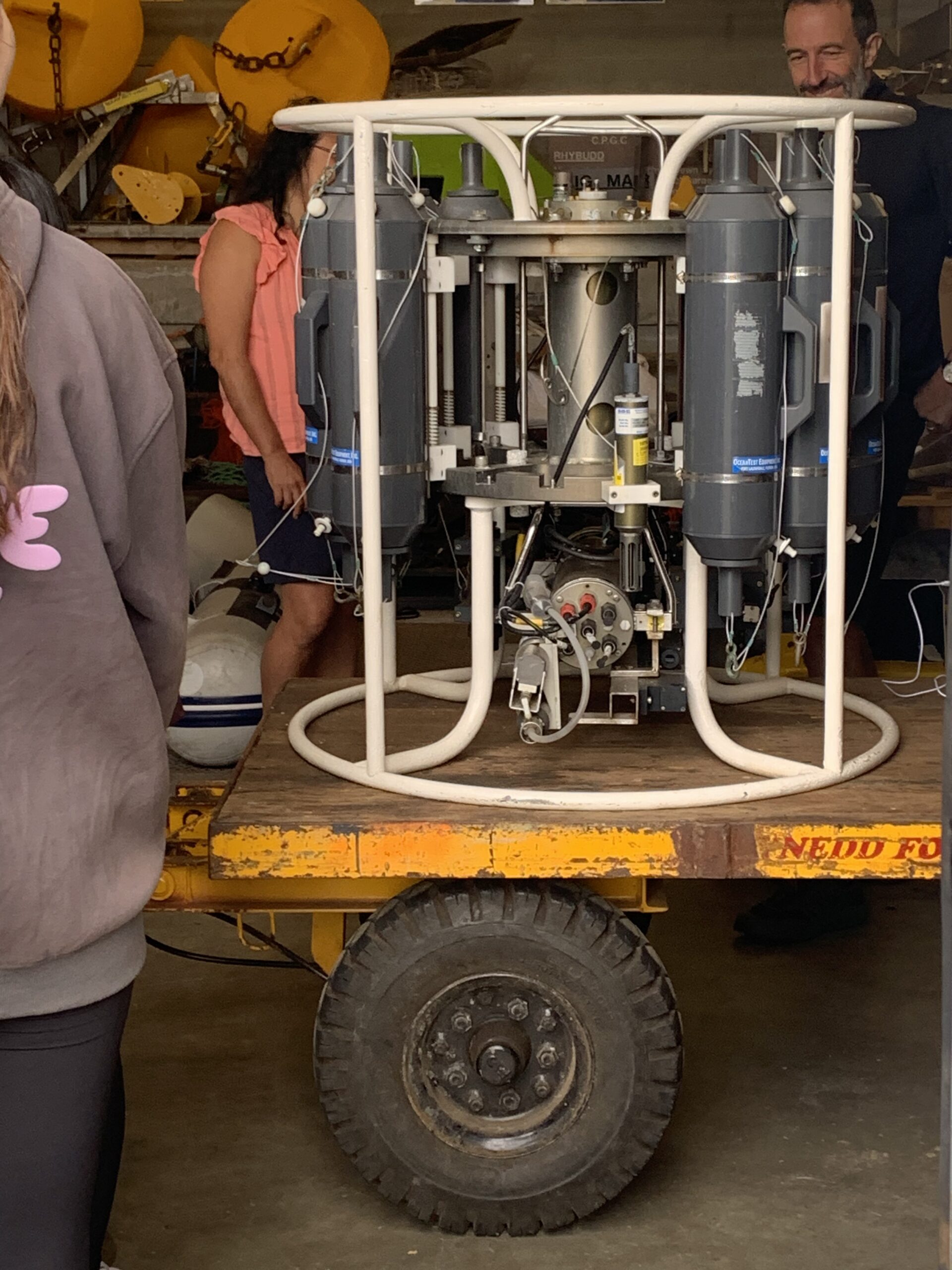
On the way back to the labs we stopped at a side building where marine engineers were working on the equipment the scientists use on the research ships, some costing in the £10,000s the students asked many questions and it was brilliant to see the support worker who without their expertise the valuable research would not be possible.
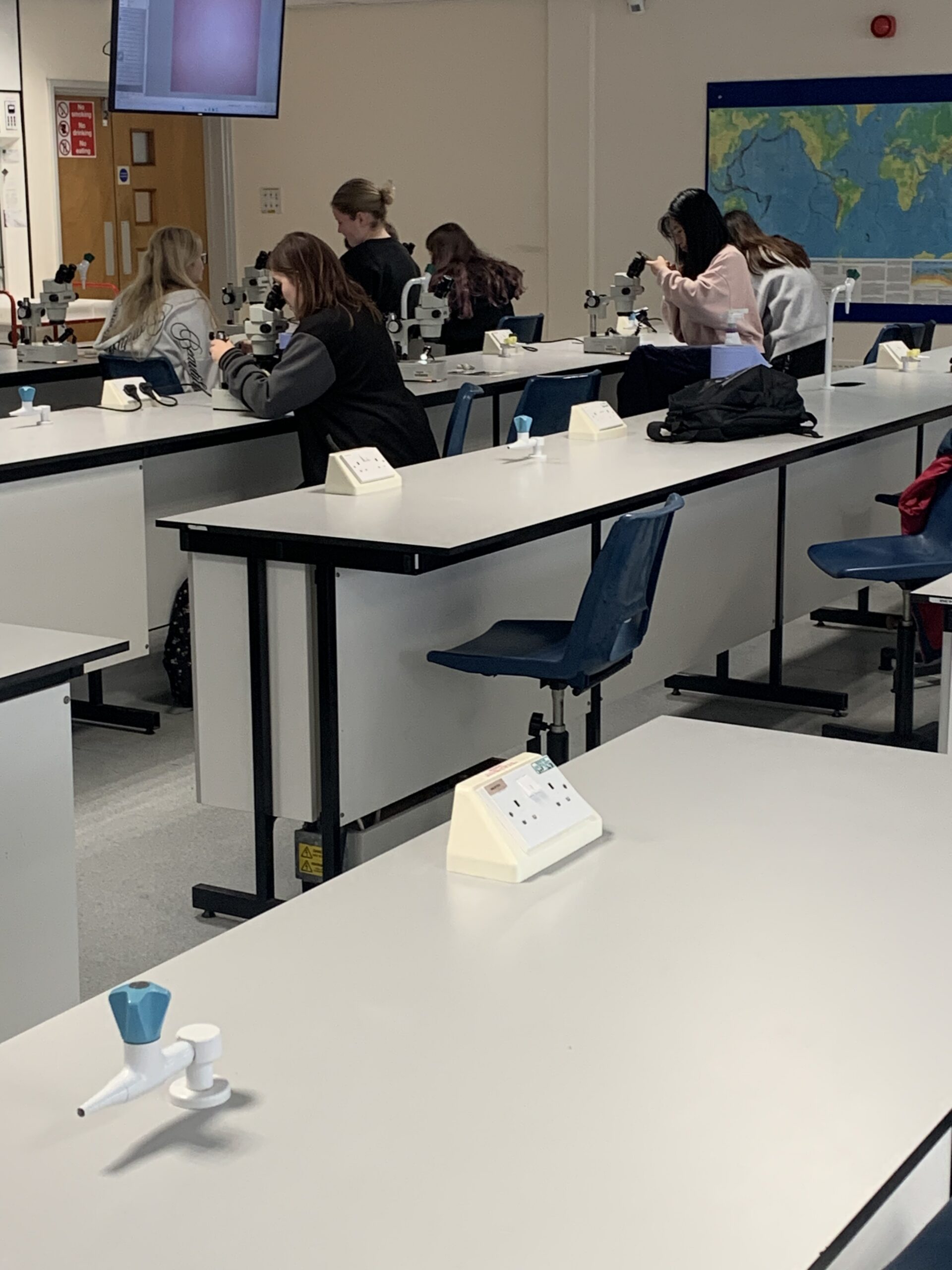
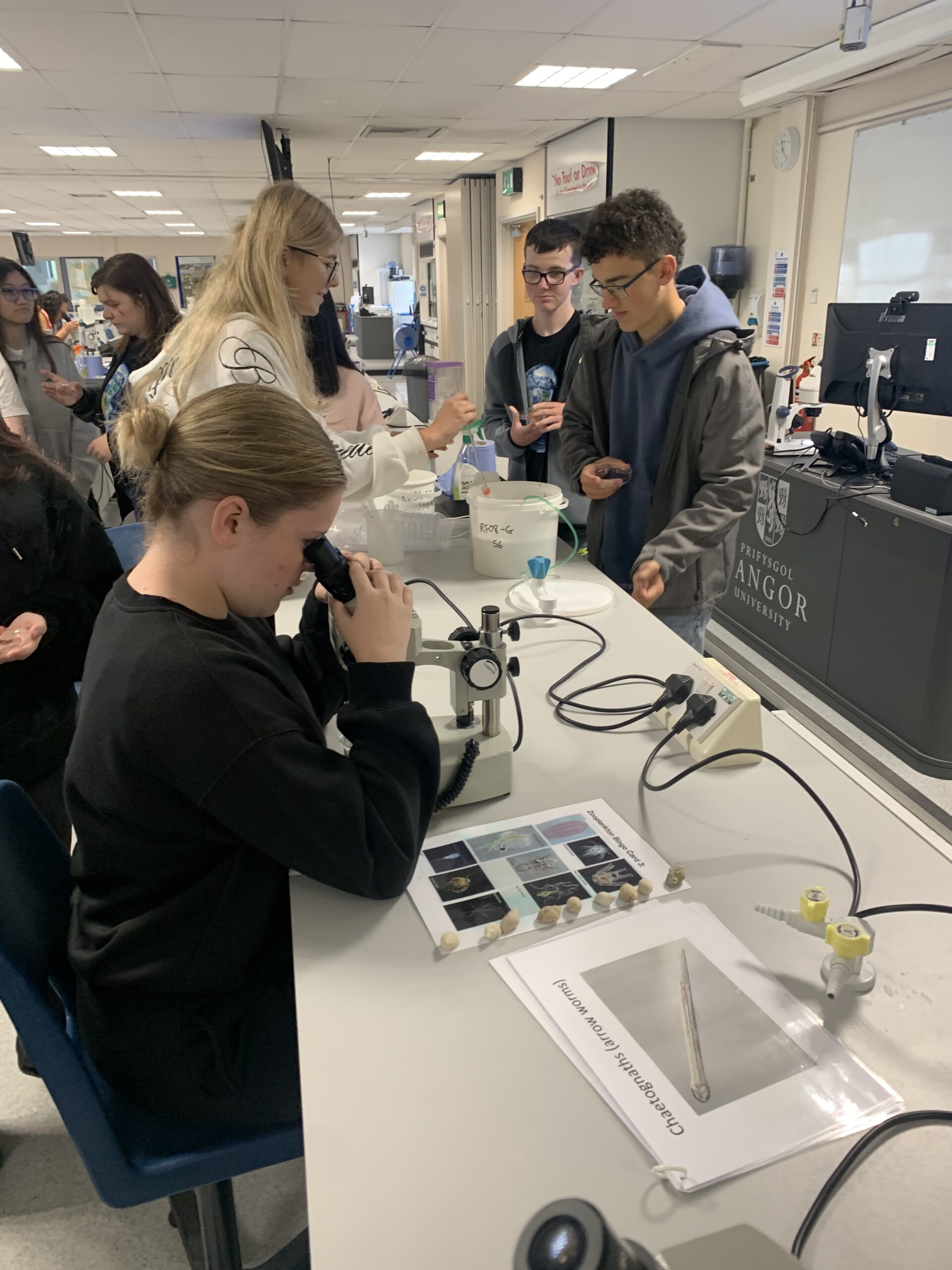
Then off to the labs, where they were able to put water samples under the microscope to see what plankton was there that we cannot see with the naked eye. Soon many species of phytoplankton were observed along with many species of zooplankton like crab larvae, copepods, fish eggs and shrimp larvae to name but a few.
Now it’s not all marine biology but everything in the marine environment that is studied here and Professor Yueng-Djern Lenn talked about physical oceanography and in its role in temperature regulation of the Earth which is hugely important in our current climate crisis. The students then went on to perform wave speed experiments where they examined the difference water depth ha
As always, a brilliant day and here’s looking forward to the next one where our current Y10 marine biology club members will take this trip. Mr Caine, STEM Lead

Drama Department
Coming Soon, Boteler StageCraft are proud to be rehearsing the next school production which will take place in December. Over 40 Students are involved either as Performers, Set Design and Stage Management. Make a note in your diaries. We will announce when tickets are going on sale. Many Thanks, Ms Armstrong.

Music Department
Boteler is a school that sings. We have three different clubs for young singers, each tailored to the wants and needs of teenage voices during their voice change.
- Boys Singing is for lads in years 7 to 9, and they rehearse on Tuesdays in week A and Mondays in week B during morning registration.
- Girls singing is for girls in years 7-9 and they rehearse on Mondays in week A and Tuesdays in week B.
- Vox One is the school’s elite choir, open to students in year 9, 10, and 11. They rehearse after school on Tuesdays, and lead the school through numerous high-profile events like inauguration, our carol service, and remembrance Sunday. They also regularly steal the show at our biannual ‘TCAT Performs’ concerts.
For more information, or to take part, please visit Mr McCombs in R4b. Students are rewarded with House Points for attending.


